
Kia hono mai ki te kaupapa
— Discover what’s happening across our Rangahau kaupapa.
He Pānui Rangahau | May 2026
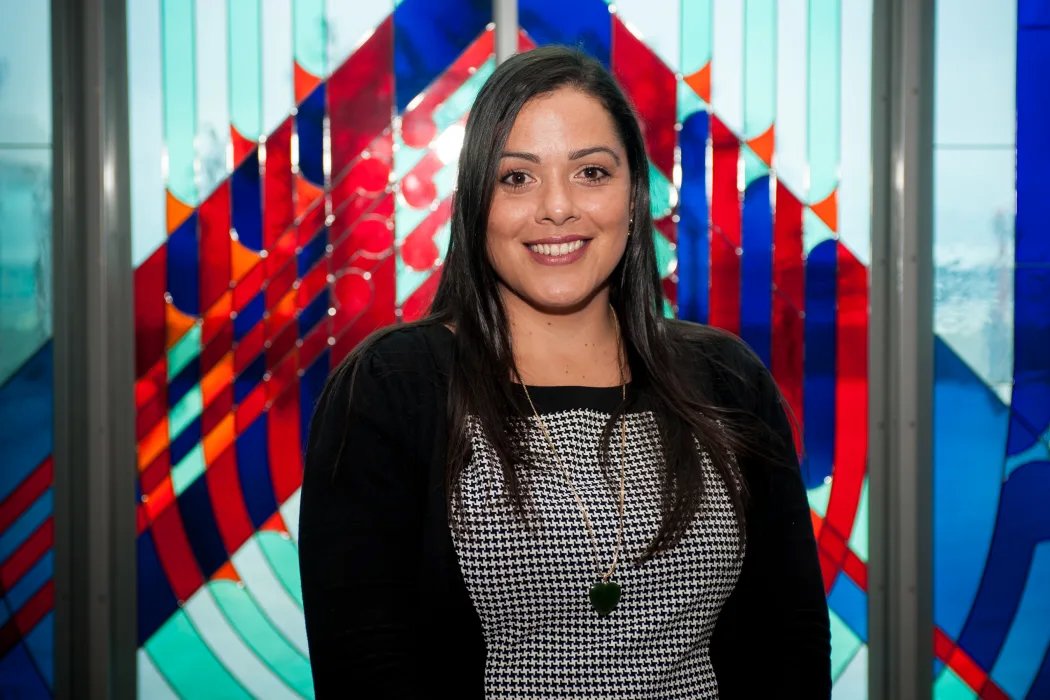
Nau mai, haere mai Dr Arama Rata
It is my absolute pleasure to introduce you to Dr Arama Rata, who joins us as our Aukaha Hauora. Arama brings a depth of experience across rangahau, strategy, and teaching, and was up until today, a Senior Research Fellow at the University of Auckland. Her work is grounded in Māori cultural engagement, identity, and wellbeing, underpinned by strong Kaupapa Māori approaches and a commitment to research that serves whānau and communities.
In her role as Aukaha Hauora, Arama will provide leadership across the Bachelor of Bicultural Social Work and Kaitiakitanga programmes. She brings a powerful ability to move between strategic vision and practical implementation, supporting teams to align around a shared kaupapa while still holding space for innovation, growth, and the unique strengths of each programme.
Arama has led large-scale research initiatives, developed frameworks that bring cohesion to diverse teams, and has a strong track record of mentoring and growing research capability in others. She also brings significant experience in securing research funding and building networks that extend both nationally and internationally.
Beyond all of that, she is someone who cares deeply about people and the potential of our mahi to make a meaningful difference. I am genuinely excited about what her leadership will bring to our hauora space and to the wider Wānanga.
Please join me in warmly welcoming Arama. I encourage you to reach out, connect, and share in the collective work ahead.
Nau mai Dr Moses Ma’alo Faleolo
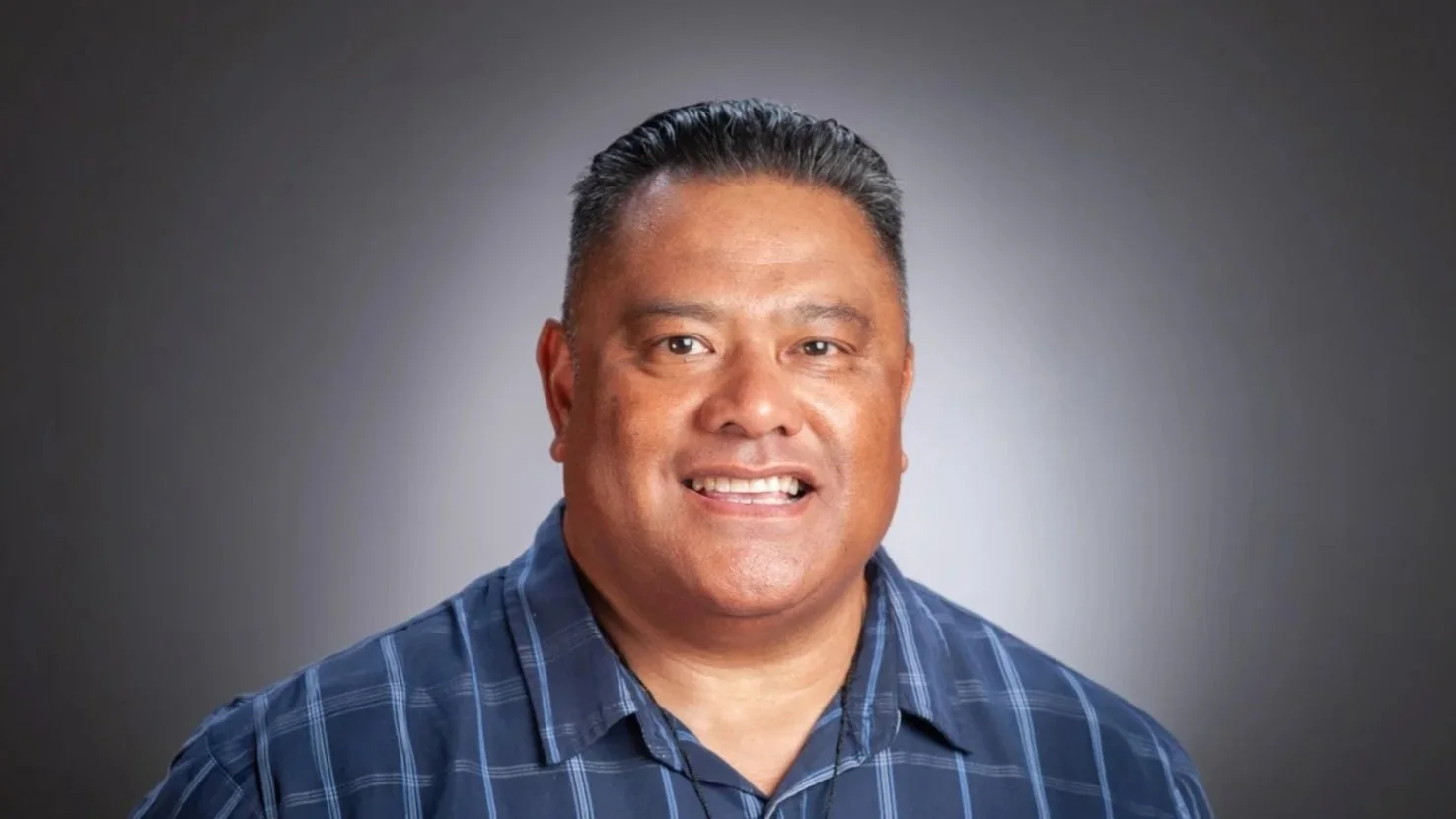
We are privileged to acknowledge the work and leadership of Dr Moses Ma’alo Faleolo, who carries the paramount chiefly title-Gisa, bestowed by the village of Falelima in Savai'i, Sāmoa.
Dr Faleolo brings an extraordinary depth of experience across both practice and academia. Beginning his career as a youth justice social worker, he has spent over three decades working across residential care, youth justice, and specialist youth work, before moving into tertiary education as a senior social work lecturer at Manukau Institute of Technology, Massey University, and most recently, Victoria University.
He is widely recognised as a pioneer in Pacific Criminology, having co-organised the world’s first Pacific Criminology Symposium in 2022 and co-edited a landmark international journal issue in 2024 dedicated to the field. His contributions have been acknowledged through the Indigenous Justice Award from the Australia and New Zealand Society of Criminology.
In 2024, Dr Faleolo was further honoured with a Royal Society Te Apārangi Mana Tūānuku Research Leader Fellowship, recognising his leadership in developing Pacific-centred approaches to justice, including innovative work in gang violence prevention.
Through his work, Dr Faleolo continues to shape thinking, practice, and research in ways that centre Pacific voices, uphold cultural authority, and strengthen pathways for future generations.
Nau mai, whakatau mai e te rangatira
Congratulations Dr Karri-Ann Vercoe
Dr Karri-Ann Vercoe, Placement Coordinator at Waiwhero within He Korowai Ākonga – Bachelor of Education (Primary), recently completed her doctorate at Te Whare Wānanga o Awanuiārangi—an auspicious milestone for both Karri-Ann and Te Manawahoukura.
Her research, Voices from the Field of Indigenising Educational Leadership, draws on an iwi-centric epistemology of wellbeing, highlighting wairuatanga, manaakitanga, and whanaungatanga as key pou underpinning Indigenising praxis. Enabling ākonga, whānau, kaiako, and leaders across kura and kura auraki (mainstream schools) to flourish.
Her mahi also challenges colonising leadership paradigms, offering transformative, Indigenous-led pathways forward for all.
Nō Tūhoe (Patuheuheu/Ngāti Haka), Ngāti Manawa ki te taha o tōna māmā, nō Ngāti Apa ki te taha o tōna pāpā. Ko Karri-Ann Black-Vercoe tēnei. She grew up in Murupara and is a māmā, he kuia hoki — with five adult tamariki and eight mokopuna — Karri-Ann has also served as a Kaiako within He Korowai Ākonga — the Bachelor of Education Teaching Programme — since 2014.
Karri-Ann’s PhD journey began with encouragement from a professor at Waikato University, Jane Strachan, who first inspired her to consider doctoral study. Later, alongside colleague Bernie Matthews, she chose to pursue study through Te Whare Wānanga o Awanuiārangi, drawn to its strong Kaupapa Māori and iwi-centred approach.
What sustained her was purpose. Her research became a way to honour her late husband, Hawea Vercoe, and his lifelong commitment to Māori education and indigenising educational leadership — the foundation of her thesis. She was also carried by the stories of the principals in her study, including the legacy of her father, whose work continues to transform learning experiences for Māori ākonga in kura.
Like many of our kaimahi, Karri-Ann’s journey was not linear. Life continued to unfold around her — whānau commitments, new mokopuna, loss, and new beginnings. At one point, her thesis sat untouched for two years. But she made the decision to return to it with determination, balancing the demands of mahi and whānau with long nights of writing, supported by prayer, and an unwavering belief that she could finish.
“With the stories of my loved ones sitting on my shoulders, we did it.”
Completing her PhD has been transformative, not only for Karri-Ann but for those alongside her. Her tamariki witnessed both the struggle and the strength, seeing firsthand what it means to persevere while remaining present as a māmā and kuia. Professionally, her research now returns to those who contributed, ensuring their voices can inform practice and inspire broader change in education.
Karri-Ann also speaks of a personal shift — finally feeling a sense of belonging within the academic world, and with a strong desire to encourage others to take up postgraduate pathways.
Her advice is simple yet powerful:
“Find your why. If it’s for your whānau, your iwi, and our mokopuna, wairua (me te Atua) will make sure you finish.”
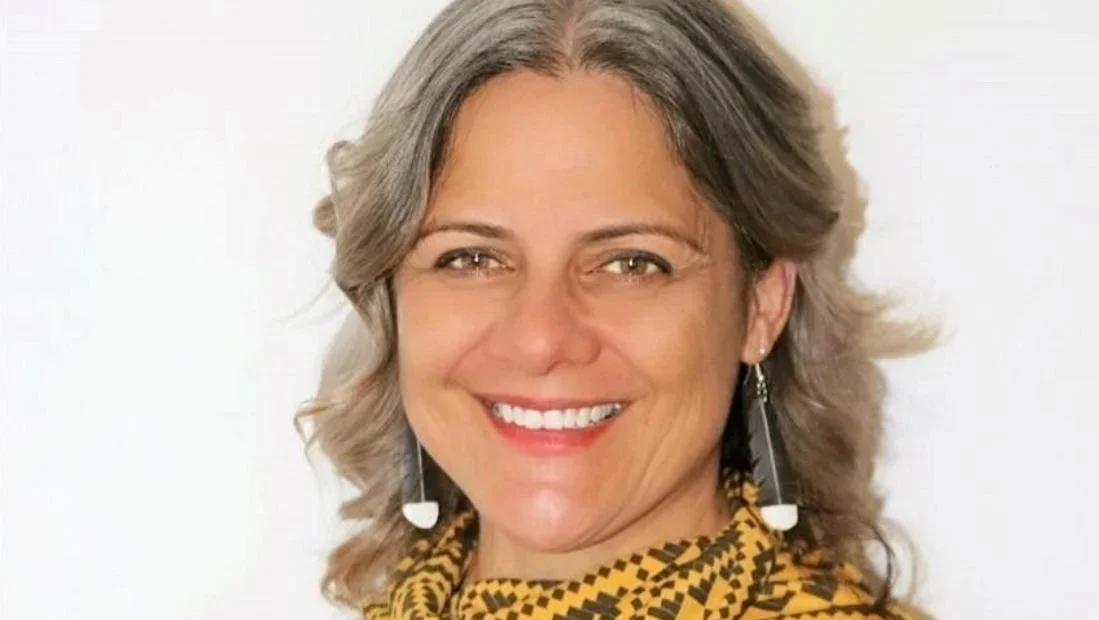
He Ara Rangahau - The Journey of Dr Helen Tau’au-Filisi
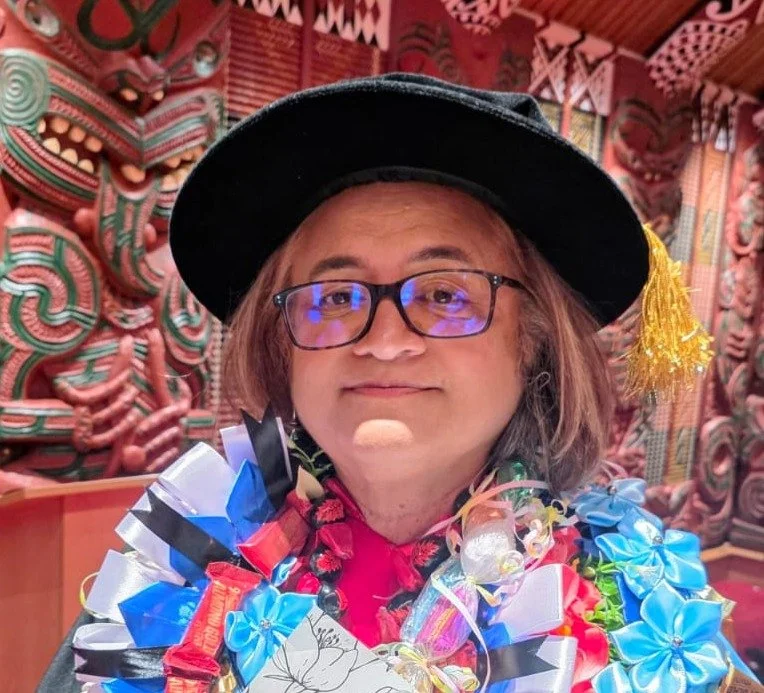
Dr Helen Tau’au-Filisi’s journey into rangahau is one grounded in whakapapa, storytelling, and an enduring commitment to her community. Raised in Māngere by parents who migrated from Samoa in the 1950s, Helen’s early life was shaped by the realities of growing up in a changing Aotearoa—navigating identity, culture, and belonging in predominantly Pākehā schooling environments.
Although her academic path began with a Bachelor and Master of Arts, it was her return to Samoa during her postgraduate study that became a defining moment. Guided by her kaumātua and cultural knowledge holders, Helen began to recognise the richness of her own cultural narratives—stories that were not always visible within mainstream academic spaces.
Her early career as a kaiako and playwright reflected this realisation. Through writing and performance, Helen created spaces for Pacific stories to be shared, exploring themes of identity, intergenerational relationships, and the tensions experienced by Pacific youth in urban settings. Her work resonated deeply with communities, with audiences connecting to the authenticity and lived experience within her stories.
Helen’s journey to completing her PhD was not linear. It spanned decades, shaped by life milestones including whānau commitments, career changes, and personal loss. Despite these challenges, she remained committed to her kaupapa. Her doctoral research, grounded in Indigenous Studies, explored the safeguarding of Samoan knowledge through storytelling, art, and creative practice—work she describes as deeply personal and connected to her identity as a Samoan woman.
Now a kaiako within Kaitiakitanga, Helen reflects on the importance of Indigenous spaces such as Te Wānanga o Aotearoa in supporting rangahau. She speaks of the opportunity to decolonise thinking, to centre Indigenous ways of knowing, and to integrate her Samoan worldview alongside te ao Māori in her teaching and research.
For Helen, the heart of rangahau lies in relationships and reciprocity. Her advice to aspiring researchers is simple yet profound: begin with your whānau, listen to your knowledge holders, and ensure that your work gives back to the communities it draws from.
Her journey is a reminder that rangahau is not just an academic pursuit, but a lifelong commitment to culture, identity, and future generations.
Dr Hannah Rapata
Dr Hannah Rapata, one of our awesome Kairangahau Matua shares her kōrero around her recently published articles on kai sovereignty. Kei runga noa atu koe, Hannah Rapata
Ko wai koe?
He uri ahau nō Awarua, ko Kāi Tahu te iwi, ko Kāi Te Atawhiua te hapū. Ka mahi au i te rangahau hauora Māori. He kairangahau matua au ki Te Manawahoukura.
Can you share the kaupapa behind your research into food sovereignty, and what drew you to this space?
I trained in biomedical science and then as a clinical dietitian. During these studies, I often felt "at odds" with some of the content and approaches to engaging with knowledge and engaging with kai. During my PhD, I really wanted to explore this more, and did so by broadly exploring the intersectionality of kai with identities, data, and race for Māori.
Through that mahi I began to unravel and think through the impacts of colonialism on kai and food systems, and started thinking about what sovereignty looks and feels like for Māori in connection to kai.
From a Māori perspective, what does food sovereignty mean beyond just access to kai?
In one of my papers produced from my PhD work, I position mana motuhake as theory (what we think) and rangatiratanga as praxis (what we do) for addressing Māori nutritional health inequities within and beyond colonial food systems. This looks like engaging with and understanding the food systems around us (and their influence on us) and exercising our mana in whatever way we can to illuminate the impacts of racism and colonialism on how we think about and relate to kai.
I think we need to work through that individually and collectively before we can meaningfully address how we access kai and what we consume. So, kai sovereignty, or mana motuhake ki te kai, is not just about how we access kai and what we eat, but also about questioning and re-framing how we think about kai and how we talk about kai.
What are some of the key insights or challenges you've identified through your recent articles?
The food systems we exist within, and the nutritional health inequities facing Māori, are not an accident…they are a direct consequence of colonialism in our food systems. Part of my work has involved highlighting these mechanisms and identifying ways to remove racialised and individualistic blame placed on whānau Māori for nutrition-related health conditions, so that whānau can live well and access the healthcare they need.
How do you see food sovereignty contributing to the wellbeing of whānau, hapū, and iwi?
Our communities are really good at mobilising and identifying needs in relation to kai and filling them. My work acts as a bridge between food systems, communities and individuals… supporting people to engage with the wider systems that influence the challenges we face in relation to kai and mana motuhake.
That work of illuminating racism and colonialism in how we think about and relate to kai is essential before we can meaningfully shift how we access kai and what we consume. The doing has to be grounded in that thinking.
Have you got any advice for kaimahi wanting to engage in rangahau?
Just give it a go. If you have an idea, that is a tohu. Follow the tohu, and follow what sparks your mind. There is always someone within Te Manawahoukura who can help you or knows the right person to help.
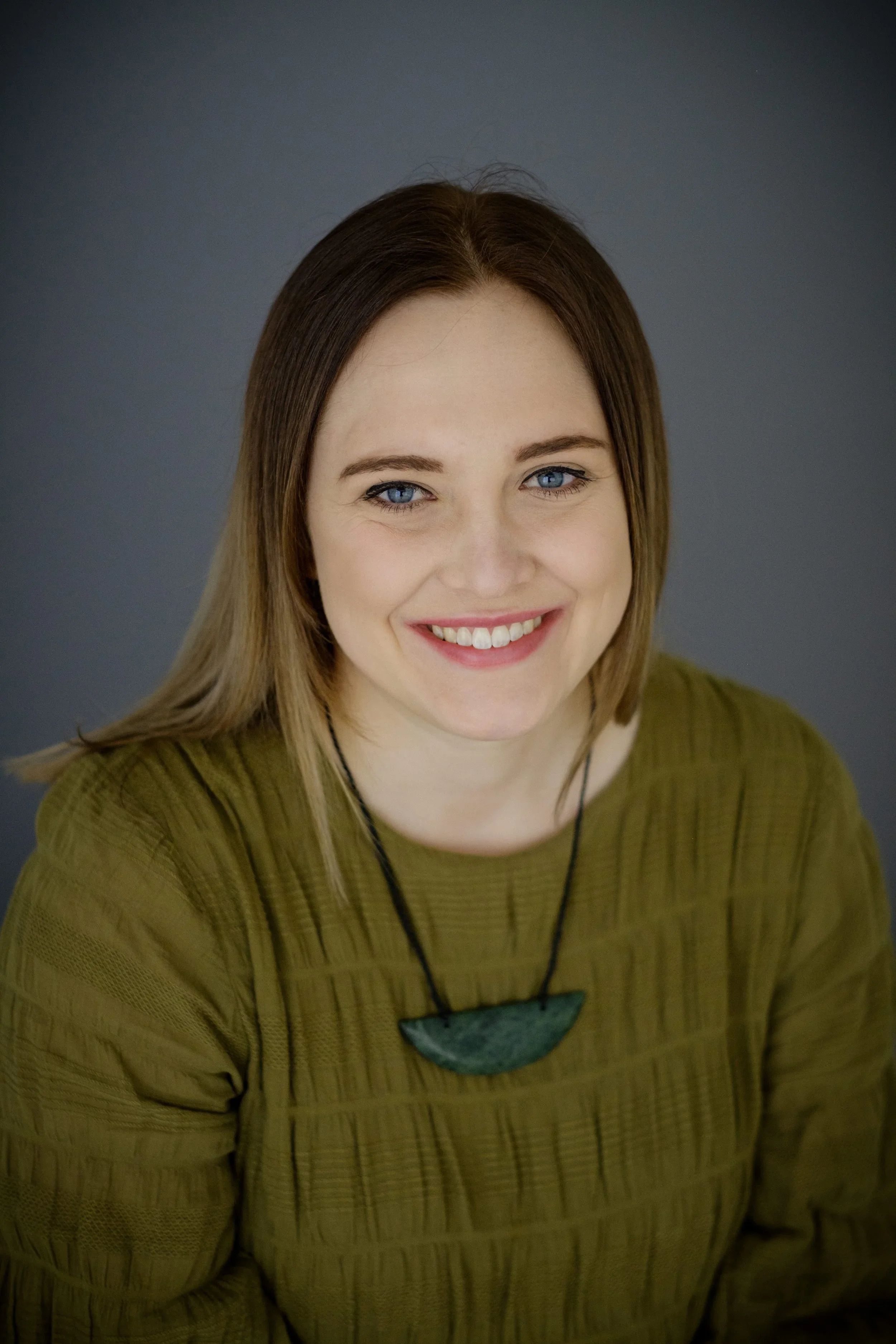
Contestable Funding Recipient - Dr Kathryn Oxborrow Vambe
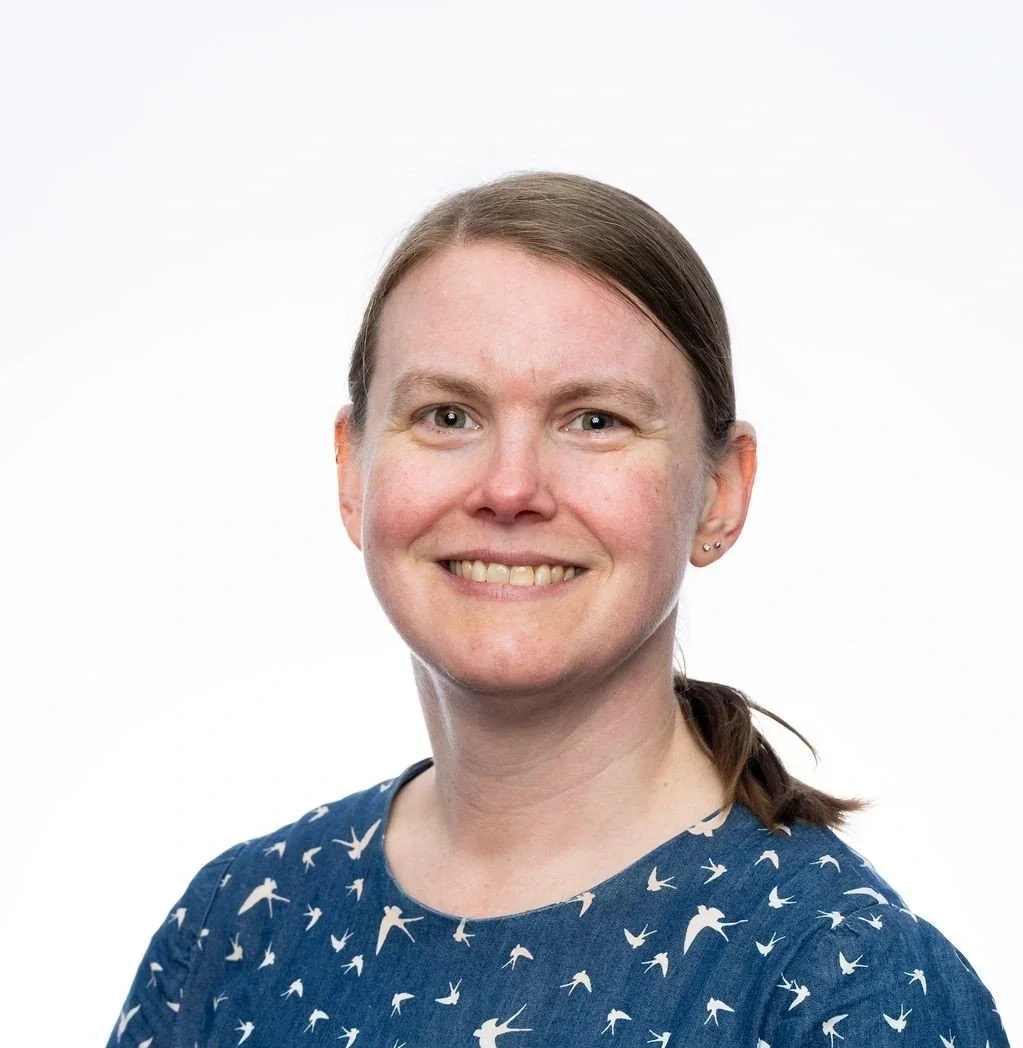
We hear from Dr Kathryn Oxborrow Vambe who successfully applied through the contestable funding round in March and will be presenting her kaupapa in Singapore later this year. Kathryn was also a Te Manawahoukura resident in 2025-
Ko wai koe?
Tēnā koutou e te whānau, ko Kathryn Oxborrow Vambe ahau. Nō Ingarangi, Kōtarani hoki ōku tīpuna. I whānau mai ahau ki Ingarangi, engari i whakaneke au ki Aotearoa i te tau 2010. He kaitiaki pukapuka ahau i Te Pātaka Māramatanga ki Porirua.
Can you tell us about the kaupapa of your presentation and what it means to you personally and professionally?
I will be presenting about a study of postgraduate student research where non-Māori employ the method of autoethnography in ways that are related to their Pākehā identity in relation to te ao Māori. There are a surprising amount of such studies and I ask the question of why that might be and whether it represents a true generation of new knowledge, which is a requirement of postgraduate research. I was very honoured to be chosen to speak at the Higher Education Research and Development Society of Australasia conference as it is a very high profile event. It will give me opportunities to hear from and connect with researchers from Australasia and beyond with a particular interest in Tertiary Education. It is my hope that such connections will lead to future research collaborations.
What motivated you to apply for the Singapore conference, and what does this opportunity represent for you?
I completed my own PhD research in 2020 and have been seeking to establish my research career since then. Attending and presenting at this conference will be an opportunity to establish my professional identity as a researcher beyond the field of librarianship. I also hope to bring back learnings from other tertiary education professionals that may be valuable to us at Te Wānanga o Aotearoa.
How has Te Manawahoukura support contributed to making this opportunity possible?
Te Manawahoukura have been tremendously supportive of my rangahau aspirations for a long time, including helping me to find time to finally publish journal articles from my PhD. In 2025 I was blessed to be the recipient of the Te Manawahoukura Rangahau Residency, during which time I focussed on research by non-Māori that had a connection to te ao Māori. It was the Residency which produced the kaupapa which I will be presenting on at the conference.
What impact do you hope your presentation will have on international audiences, particularly in relation to Indigenous knowledge or Māori perspectives?
I hope that researcher developers and research supervisors will consider ways to incorporate understanding of positionality and reflexivity for trainee researchers as part of their research training that works alongside the final thesis, rather than being central to it.
Have you got any advice for kaimahi that are considering applying for the contestable funding?
My advice is to give it a go, and to ask for support if there are parts of the application that you aren't sure of. Te Hāpai Ō are a friendly bunch and are always happy to help.