
Kia hono mai ki te kaupapa
— Discover what’s happening across our Rangahau kaupapa.
He Pānui Rangahau | July 2026
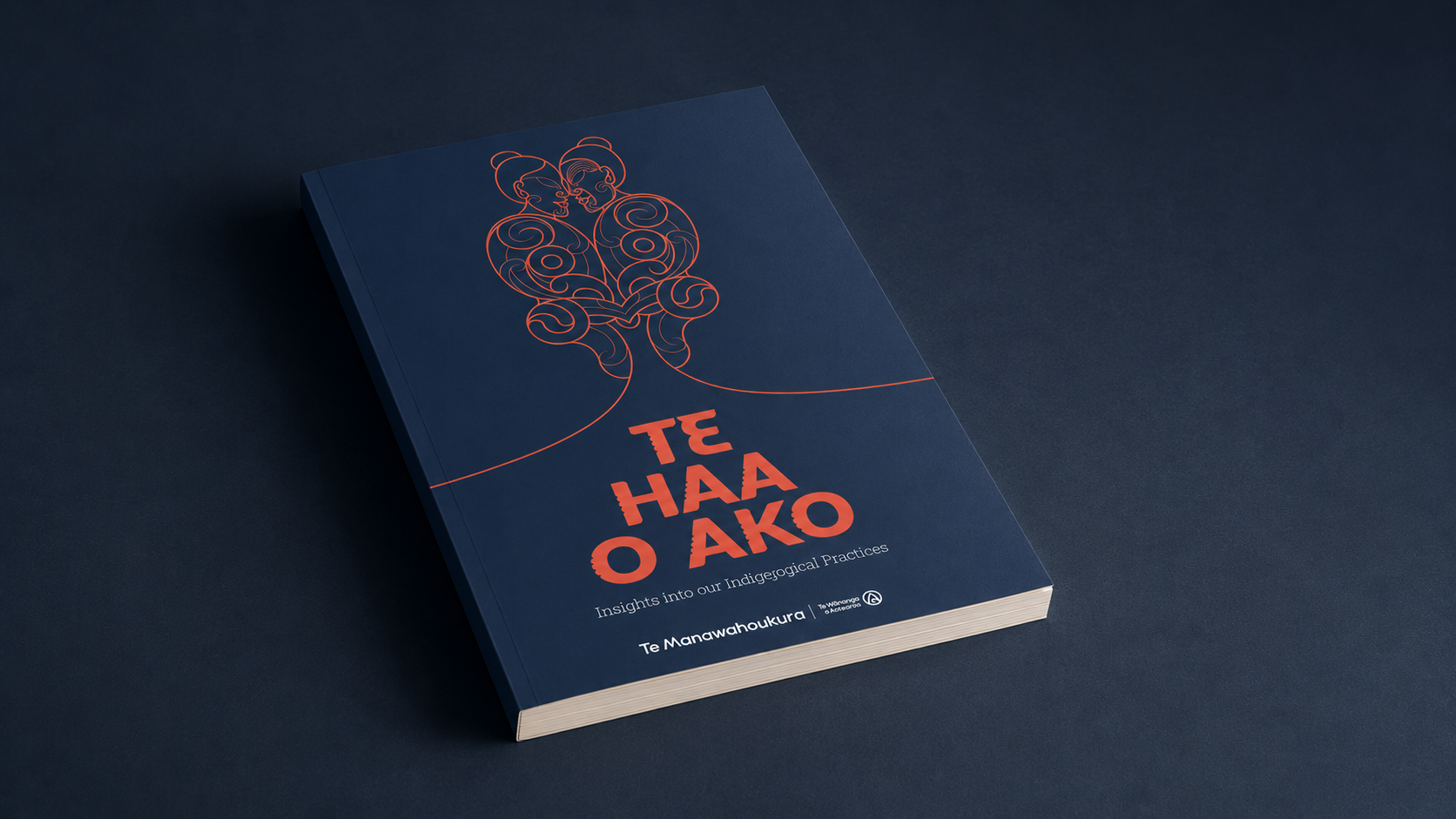
Te Haa o Ako - Book Launch
On 7 July, more than 150 people gathered at Rangiaowhia, Raroera Pā, to celebrate the successful launch of Te Haa o Ako, a significant publication that captures the lived experiences, insights, and aspirations of our Ako practitioners from across the Te Waenga takiwa of Te Wānanga o Aotearoa.
The evening was a powerful reflection of the kaupapa that sits at the heart of the pukapuka. Whānau, kaimahi, tauira, and community members came together to acknowledge the voices and journeys shared throughout its pages, creating a memorable occasion filled with connection, celebration, and whakaaro.
The launch featured a formal unveiling of the publication, alongside contributions from guest speakers who reflected on the importance of Indigenous pedagogies and the enduring impact of ako within our organisation. A thought-provoking panel including Rawiri David Lewis, Hariru Roa and Leah Fitzpatrick discussed and explored the kaupapa of Ako Wānanga and Ako Whakatere, providing valuable insights into the ways these approaches continue to shape teaching, learning, and leadership across Te Wānanga o Aotearoa in 2026.
The evening concluded on a high note with a performance from our talented Raroera Music Production tauira, whose energy and creativity provided a fitting celebration of the kaupapa and the people behind it.
The launch of Te Haa o Ako was a celebration of our collective commitment to learning, growth, and transformation. The strong turnout and enthusiastic support demonstrated the value of these shared stories and the importance of continuing to strengthen the practice of ako throughout our organisation and beyond.
A huge mihi to everyone who contributed to the publication and to all who attended the launch. The printed books will be available on our Te Wānanga o Aotearoa libraries and a digital copy will be available on the Te Manawahoukura website.
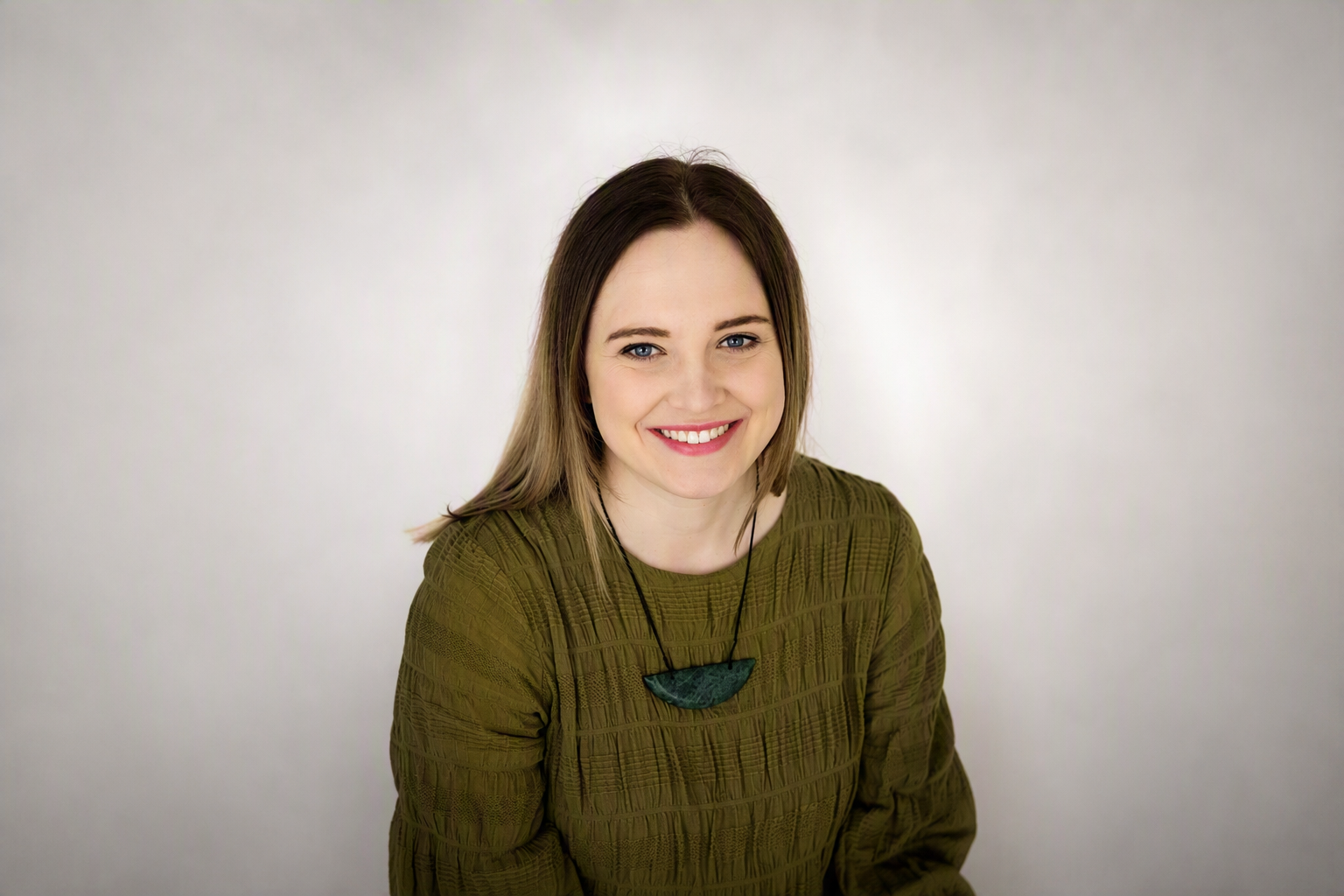
Celebrating Dr Hannah Rapata - Te Manawahoukura Researcher
Te Manunui was established as a culturally safe platform for Māori researchers, writers, and community leaders to share knowledge grounded in Māori worldviews. Hannah’s contribution explores her experiences as a Māori scholar navigating doctoral research within predominantly Western academic environments while remaining firmly anchored in kaupapa Māori values. Her article highlights the importance of whakapapa, community connections, and cultural identity in Indigenous research.
Central to the article is Te Wharerau, a Kāi Tahu research paradigm developed during her doctoral studies. The framework aims to ensure research involving Kāi Tahu people, knowledge, and places remains guided by Kāi Tahu perspectives, aspirations, tikanga, and whakapapa. It represents an important addition to the growing body of iwi-specific research methodologies in Aotearoa and may serve as a valuable foundation for future Kāi Tahu researchers.
Holding a PhD from the University of Auckland and drawing on her experience as a registered dietitian, Hannah continues to bridge academic excellence with practical impact. Her work spans Māori health equity, food sovereignty, nutrition, Indigenous rights, and Māori data sovereignty, consistently championing Māori-led solutions. This publication also marks a personal milestone, representing a full-circle moment after her earlier involvement with Toi Tangata as an undergraduate intern. Te Manawahoukura congratulates Hannah on this significant achievement and her ongoing contribution to kaupapa Māori research and Māori communities.
Preparing for IIRC 2026: Supporting Our Kaimahi to Shine
This November, Te Manawahoukura plans to support a cohort of Te Wānanga o Aotearoa kaimahi to present their work, ideas, and experiences alongside Indigenous researchers, practitioners in Tāmaki Makaurau
The International Indigenous Research Conference, hosted by Ngā Pae o te Māramatanga provides a unique platform to share the impact of our mahi, strengthen international connections, and contribute to conversations that advance Indigenous knowledge, wellbeing, education, and research. For many of our kaimahi, this will be an opportunity to present their work to a wider audience.
To support our presenters, Te Manawahoukura will be investing in a structured preparation process leading up to the conference. This initiative reflects our commitment to growing the confidence, capability, and leadership of our kaimahi while ensuring they are well prepared to represent our organisation with pride.
An initiative that is starting up very soon are the weekly writing workshops run by our Rangahau and Innovation and Te Hāpai Ō teams. We hope to have some of our kairangahau team also in attendance to support our kaimahi writing aspirations.
Further details about presenter selection, symposium dates, and conference preparations will be shared in the coming months. Watch this space.
Ngā mihi nui to all kaimahi who are stepping forward to share their expertise and represent our kaupapa at IIRC 2026. We look forward to seeing your mahi shine.
Weaving Together Identity, Rangahau and Creativity
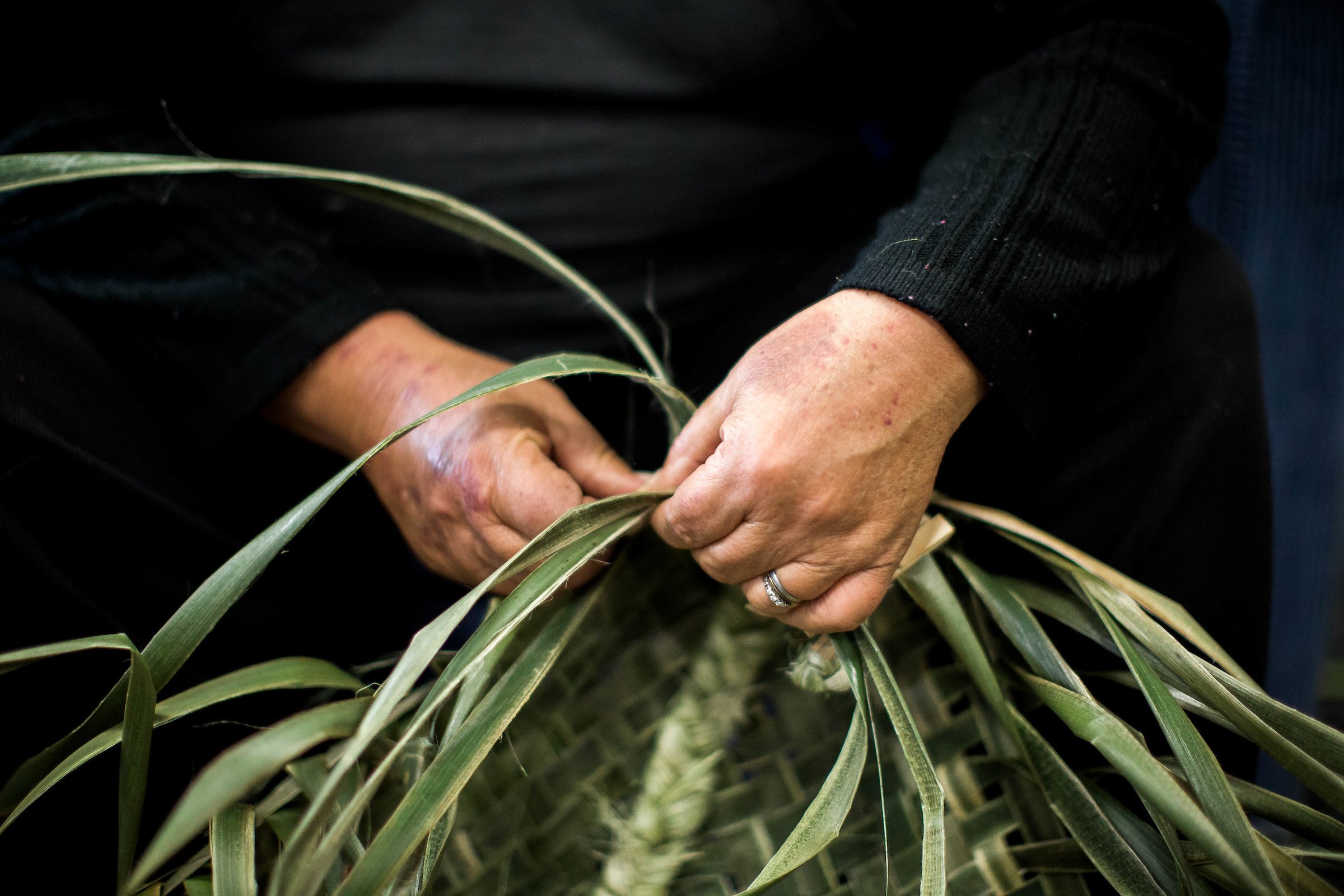
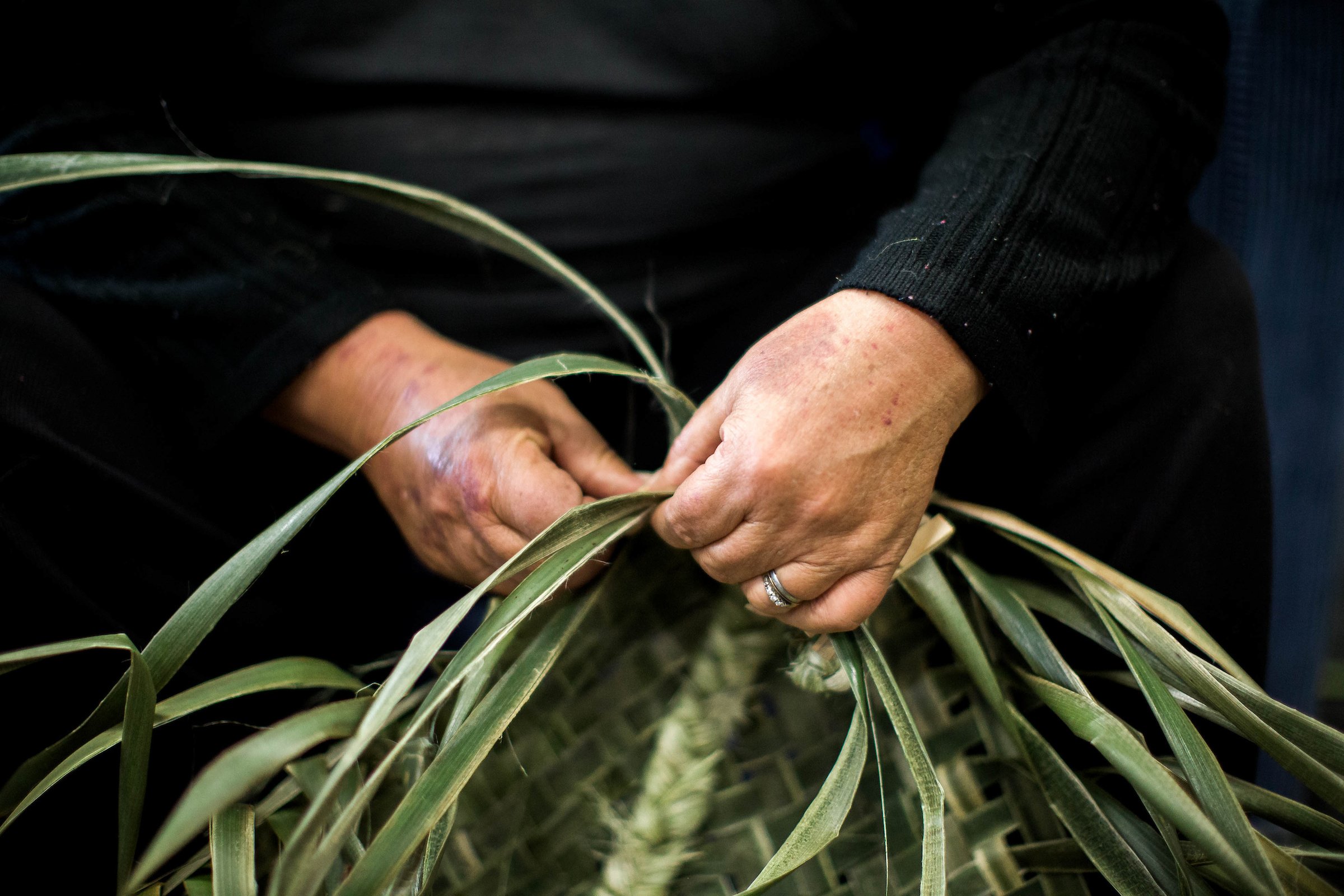
For Adrienne Spratt creativity has always been a thread running through her life. Growing up on the beautiful Kapiti Coast, she was surrounded by stories of resilience, migration, and craftsmanship. Her whakapapa is a rich tapestry of Hungarian, Czech, Scottish, and Irish heritage. Her grandparents arrived in Aotearoa from distant shores, bringing with them traditions, experiences, and a determination to create new lives. One grandfather escaped the turmoil facing Jewish families in Europe during the Second World War, while another left the Isle of Skye as a young teenager and eventually found his way to New Zealand.
As the eldest of three siblings and the only granddaughter on her mother's side, Adrienne grew up closely connected to her family. Creativity was everywhere. Her mother and grandmother taught her to knit and crochet, while her grandfather spent countless hours crafting jewellery, working with stone and wood, and creating intricate marquetry (woodwork) artworks. Although she explored many different jobs after leaving school, including office work and interior decorating, the desire to create never left her.
Her journey into raranga was not straightforward. Adrienne first tried weaving more than forty years ago but found it difficult and put it aside. Years later, after having children, she returned to it. This time, everything clicked. The techniques, patterns, and possibilities began to reveal themselves, and weaving became both a passion and a calling.
That passion eventually led her to Te Wānanga o Aotearoa, where she began teaching weaving programmes and later degree-level courses. Inspired by a commitment to preserve and share knowledge, she completed a degree under the guidance of Kahu Te Kanawa at the Te Kuiti campus before undertaking a Master's degree in Māori Visual Art at Massey University. Her master's research explored weaving techniques and how multiple approaches could be integrated within a single work.
Yet another dream remained. For years, Adrienne had been fascinated by patterns, numbers, and cultural symbols. She envisioned creating a resource that would explore these connections and preserve them for future generations. That vision became the foundation of her PhD research and once submitted, will also become a book that serves as a taonga for her mokopuna, whānau, and many others.
Over four years of study, Adrienne investigated patterns of cultural identity across her whakapapa, studying and recreating designs from her Scottish, Irish, Hungarian, and Czech heritage. Through Māori weaving methodologies, she wove these ancestral patterns together, creating new connections between the cultures that shape her identity. The result is not only a doctoral thesis but also a practical resource that will support future weavers and researchers.
For Adrienne, Rangahau is not about reaching a destination. It is a lifelong journey of discovery. She believes anyone can pursue research if they are passionate about their kaupapa. Her greatest hope is that her work inspires her children, mokopuna, and others to follow their curiosity and pursue their dreams.
As Adrienne often reflects, learning never stops. Like weaving itself, each new strand strengthens the whole, creating something meaningful that can be passed on to future generations.
Te Rautaki Rangahau 2030 The Rangahau Strategy Nears Completion
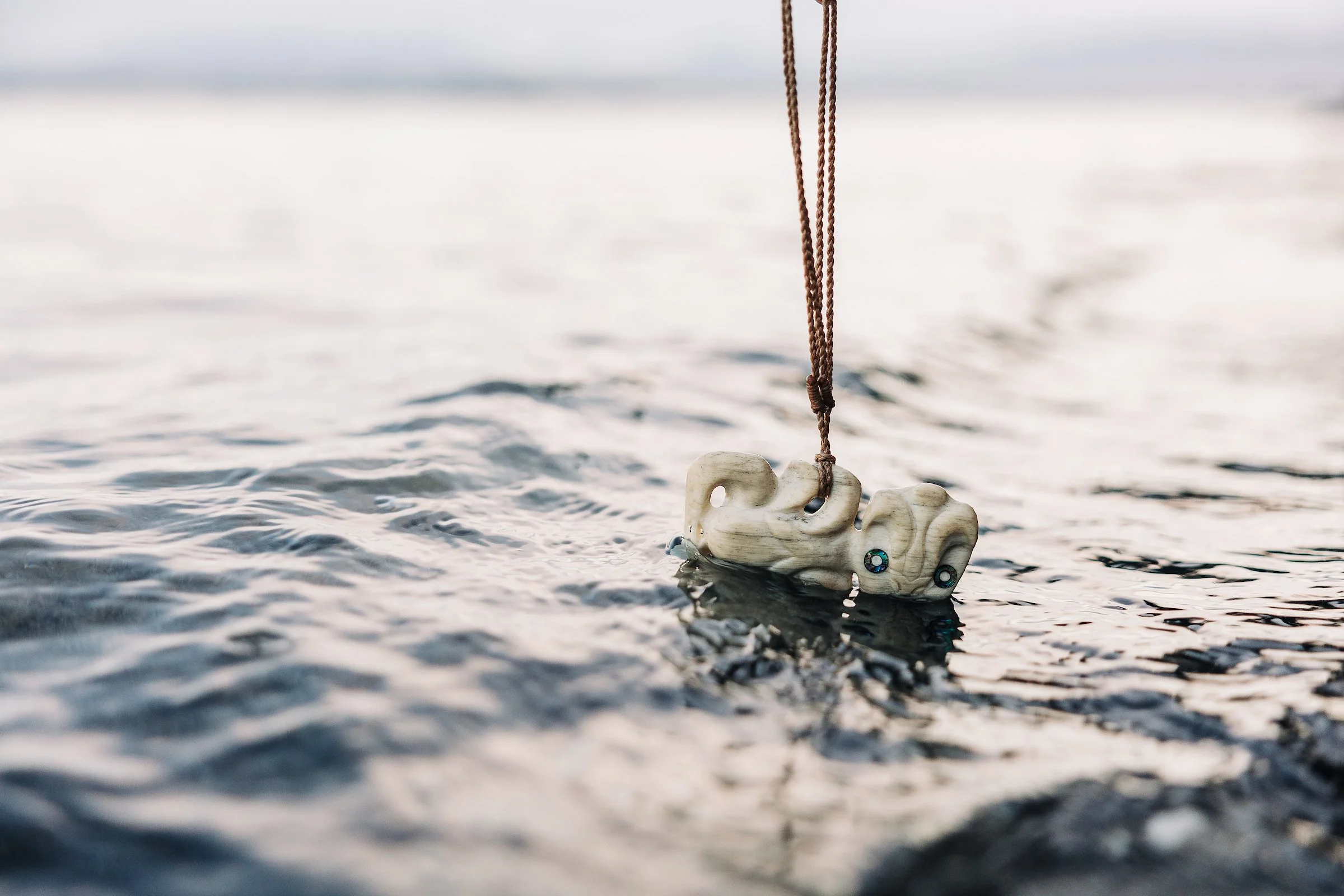
Te Manawahoukura’s Manawatina+ blog offers a powerful platform for whakaaro Māori to be shared, challenged, and reimagined. Through contributions from researchers, leaders, and practitioners, the blog creates space for deep reflection on identity, values, and cultural frameworks.
One of the blog entries that Manawatina+explores is Ngā Uara in action. Reflections from Dr Benita Simati-Kumar and Dr Hirini Kaa on a recent pōwhiri marking a significant partnership demonstrate how values such as Kotahitanga and Te Whakapono are not simply theoretical concepts, but lived, embodied experiences.
Through the lens of the pōwhiri, Kotahitanga is seen in its purest form — a collective unity where roles dissolve and individuals stand as one, guided by shared intent and tikanga. Similarly, Te Whakapono emerges as an active, relational force grounded in trust, obligation, and the ongoing responsibility to nurture connections beyond the ceremonial moment.
This blending of personal narrative, critical reflection, and cultural analysis is what makes Manawatina+ a valuable space for Te Manawahoukura.
As Te Manawahoukura continues to develop this platform, Manawatina+ stands as an invitation: to reflect deeply, to engage courageously, and to contribute to the ongoing renewal of our collective knowledge and ways of being.