Kia hono mai ki te kaupapa
— Discover what’s happening across our Rangahau kaupapa.
He Pānui Rangahau | September 2026
Celebrating our Te Māori Fellowship recipients
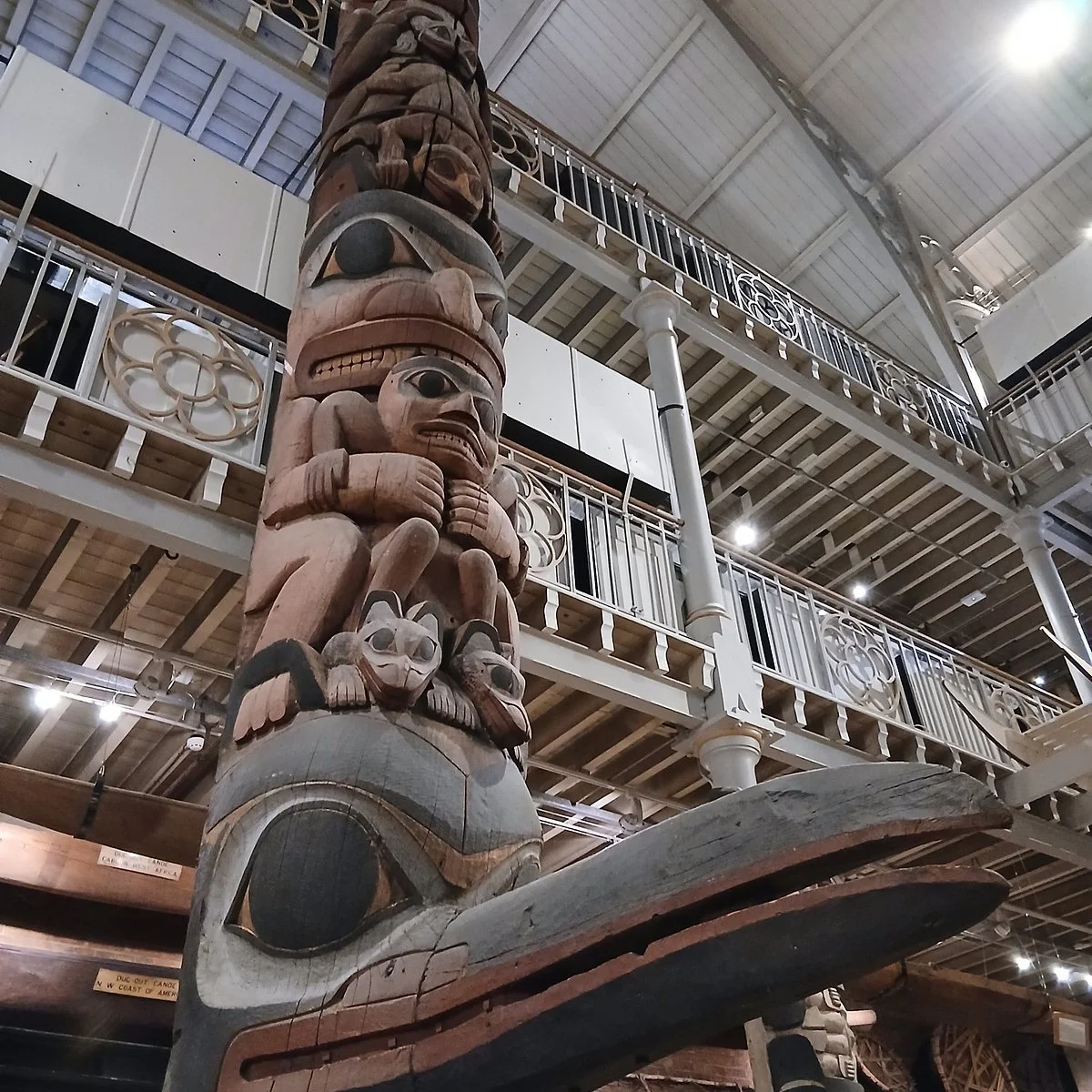
Te Wānanga o Aotearoa, in partnership with Te Māori Trust and the Pitt Rivers Museum, is pleased to announce Chanel Coromandel, Hamuera Manihera and Paora Tibble as the inaugural recipients of Te Māori Fellowship.
We’re particularly proud to celebrate Chanel, who is former kaimahi and current tauira enrolled in Te Tohu Tiaki Taonga, and Hamuera who is a He Waka Hiringa graduate.
Supported by the British Council New Zealand and the Pacific, the fellows will undertake a 6-week professional development residency at the Pitt Rivers Museum in Oxford, England, from 11 October to 30 November 2026.
Chanel is a specialist in digital heritage and the care of taonga Māori. Her landmark dissertation, Acknowledging the Mana of Mahi Toi, explored how digital technology can support the long-term preservation of taonga while protecting mana and tikanga Māori. During her residency, Chanel will explore the photograph and manuscript collections relating to Mākereti Papakura at the Pitt Rivers Museum. She hopes the residency may also inspire a future doctoral project focused on the care, interpretation and understanding of taonga Māori.
Hamuera is a recognised kaiwhatu, researcher and curator, known for his mahi as the Kaitiaki Taonga Māori Collections Manager at the Nelson Provincial Museum. Hamuera’s fellowship will focus on the Māori textile collections, early kākahu and taonga pakohe at the Pitt Rivers Museum.
Follow the fellowship journey of Chanel, Hamuera, and Paora with us on Facebook, Instagram, and LinkedIn.
Turning the Tide: Researching Whānau Success Through Housing
What happens when secure housing becomes more than just a roof over a family's head?
That question sits at the centre of a research partnership between Dr Kim Southey (Te Manawahoukura) and Corey Ehu, who are exploring how stable housing can support Māori whānau wellbeing while challenging the deficit-focused narratives that often dominate housing research and policy.
The title of the project is: 'Te Mana Raraunga Māori mō te wharenoho, te whakamahi i te mātauranga Māori hei ārahi i ngā pūnaha raraunga.
Corey has been awarded the scholarship for this research project and is one of our He Waka Hiringa tauira studying out of Mangakōtukutuku.
The scholarship covers Corey's Masters fees, and Corey's thesis will be an output of the project.
The project forms part of Kim's Royal Society-funded research fellowship, a prestigious programme that enables researchers to develop long-term research initiatives, build capability, and work alongside community partners. For Kim, the fellowship is an opportunity to examine Māori housing through a strengths-based lens. For Corey, it brings together years of practical experience supporting whānau with postgraduate research aimed at contributing to wider systems change.
Kim described Te Manawahoukura as a research environment recognised for its concentration of Māori and Indigenous research expertise. Despite its relatively small size, the institute has developed a strong reputation for attracting talented researchers and fostering research excellence.
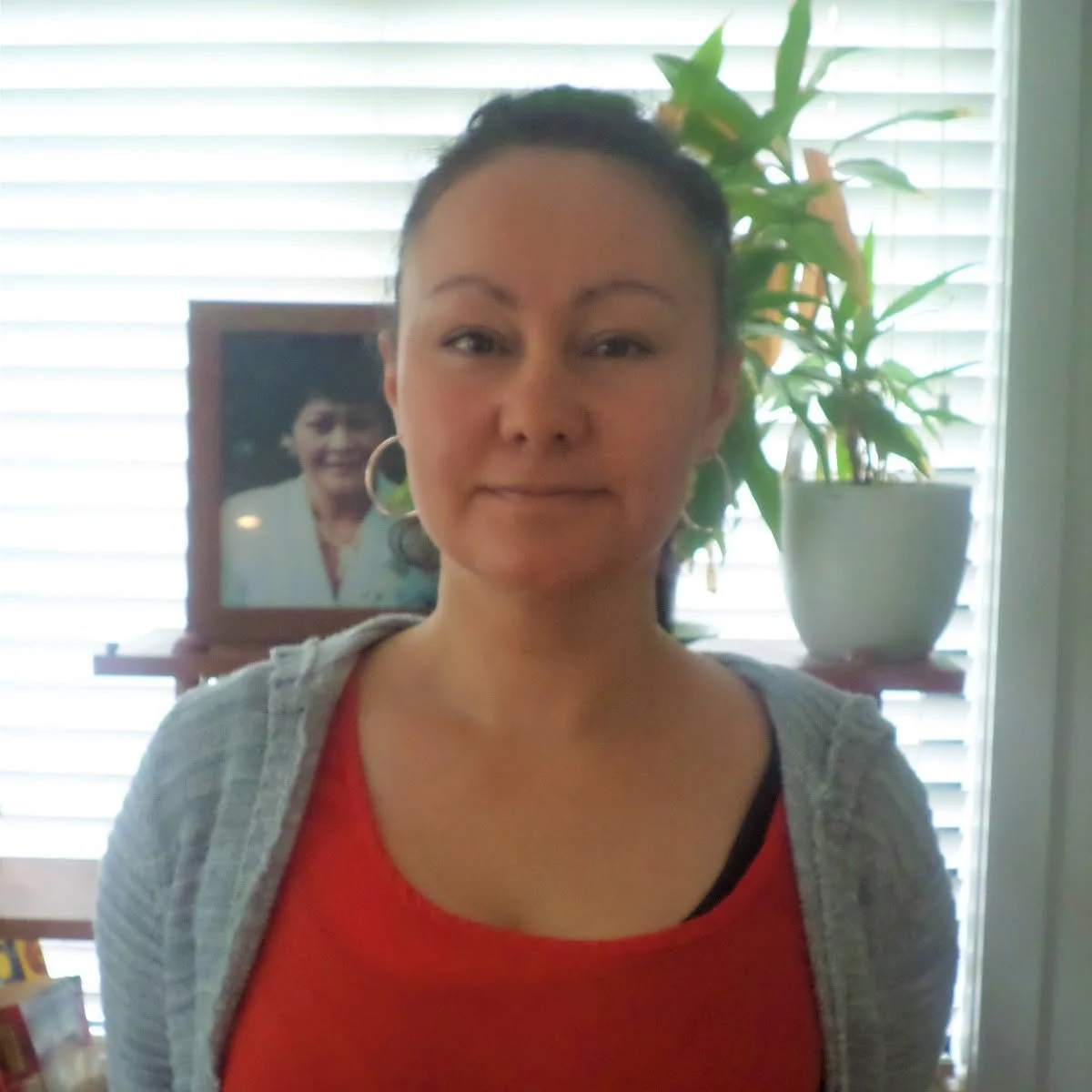
Corey's research journey is shaped by lived experience. As the eldest of nine children and the child of teenage parents, she became a parent herself at a young age before eventually pursuing higher education. Her pathway led through social work and a range of kaupapa Māori roles, including whānau navigation, restorative justice, family violence services, and leadership within Whānau Ora. Nearly a decade of working alongside whānau at Te Kōhao Health now informs her research approach.
A central theme of the project is moving beyond research that defines Māori solely through hardship and deprivation. Rather than focusing only on crisis indicators, the research asks a different question: What becomes possible when whānau have secure housing?
Drawing on existing data and whānau narratives, the study will explore how housing stability influences wellbeing outcomes such as health, education, employment, cultural connection, and future aspirations. The researchers aim to develop a richer understanding of flourishing by recognising wellbeing as interconnected and multidimensional.
An innovative aspect of the project involves developing wellbeing indicators informed directly by whānau experiences. Early findings suggest factors such as connection to whenua through māra kai and access to autonomous spaces may be important markers of wellbeing that are often overlooked in conventional housing measures.
Storytelling is also central to the research. By gathering positive narratives of resilience, growth, and achievement, the team hopes to influence future research, policy, and housing initiatives. These stories demonstrate the strengths whānau bring to their own journeys and challenge deficit-based assumptions.
As Kim and Corey continue their work, they are helping create a new narrative, one that celebrates Māori aspirations and shows how secure housing can provide a foundation for whānau flourishing and community transformation.