Kia hono mai ki te kaupapa
— Discover what’s happening across our Rangahau kaupapa.
He Pānui Rangahau | August 2026
Preserving Stories Through Creativity and Connection
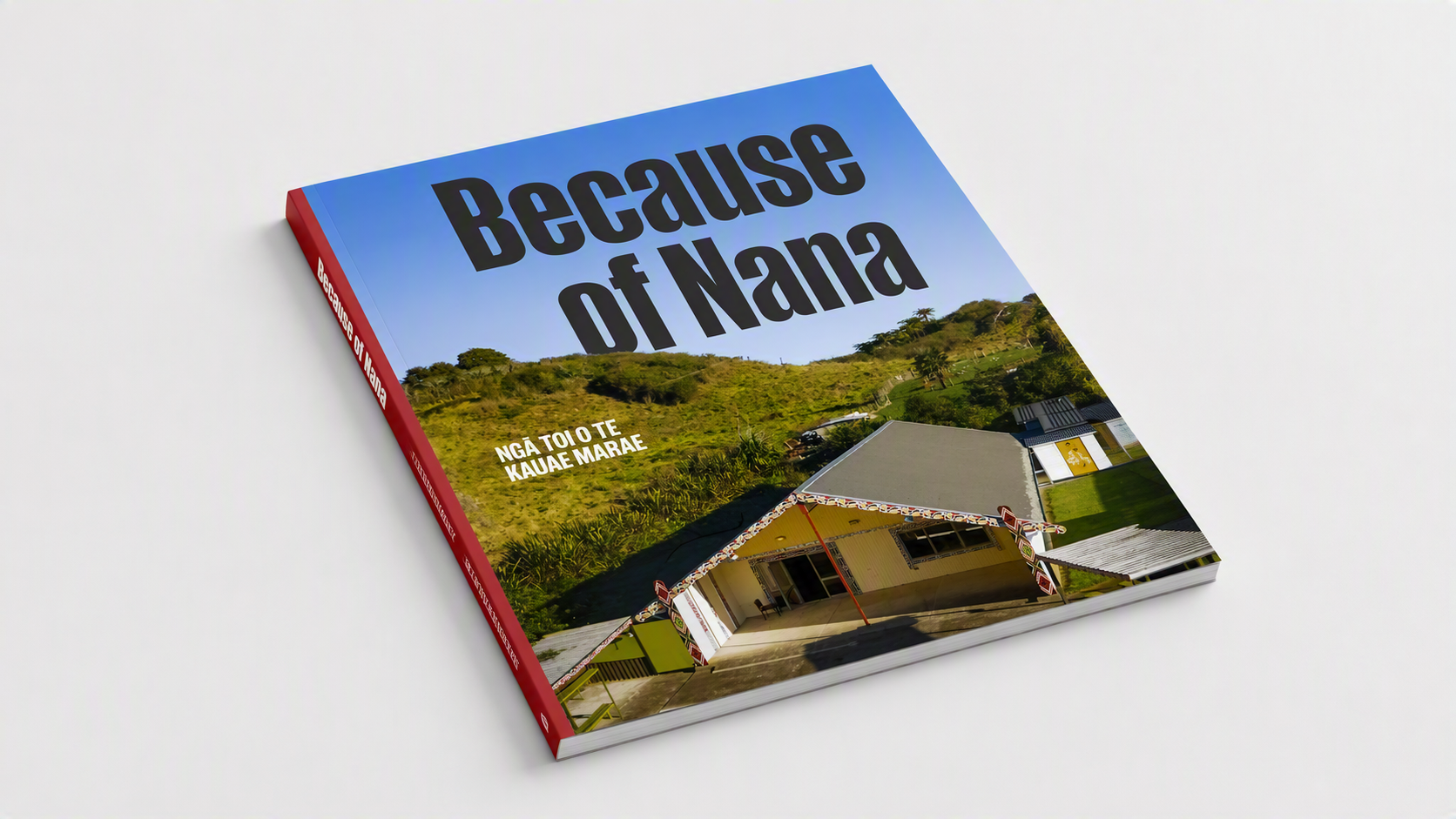
For Nikki Koroheke-Turner (Regional Coordinator Security-Te Waenga), writing a book was never part of the plan. What began as an opportunity to help document the artworks of Te Kauae Marae ultimately became a way to preserve its stories, celebrate its people, and complete a significant chapter in the marae’s restoration journey.
Located in Hangatiki between Ōtorohanga and Te Kūiti, Te Kauae Marae is deeply connected to its whenua, its whānau, and the stories of the generations who have gathered there.
As one of the artists involved in the marae’s restoration following COVID-19, Nikki saw the book as an opportunity to bring together years of creative and collective effort. Rather than focusing on individual ancestors, the project tells the story of the marae through the natural environment, including local waterways, birds, tuna, flora, and fauna.
This approach was intentional. Nikki wanted the artworks and accompanying stories to create connections that everyone could relate to, regardless of whakapapa lines or whānau affiliations.
“One whānau story is not higher than another,” she explains. “We all come from the whenua.”
The artworks were designed to evoke shared memories and experiences, encouraging people to reflect on time spent fishing, gathering food, and connecting with whānau and the land. In doing so, the project became a way of strengthening collective identity and belonging.
The restoration process also provided valuable lessons in leadership. Working alongside whānau required patience, communication, and trust. Nikki learned that effective leadership is often less about directing others and more about creating space for people to contribute their own skills, ideas, and creativity.
One lesson stood out above all: simply getting started. Progress came when the focus shifted from seeking agreement on every detail to identifying themes everyone could connect with and support.
Alongside her artistic work, Nikki is involved in digital storytelling initiatives that help marae communities record and preserve local histories. Central to this kaupapa is the belief that every person has a story worth telling.
“Every single person on the marae has a story and has a voice,” she says.
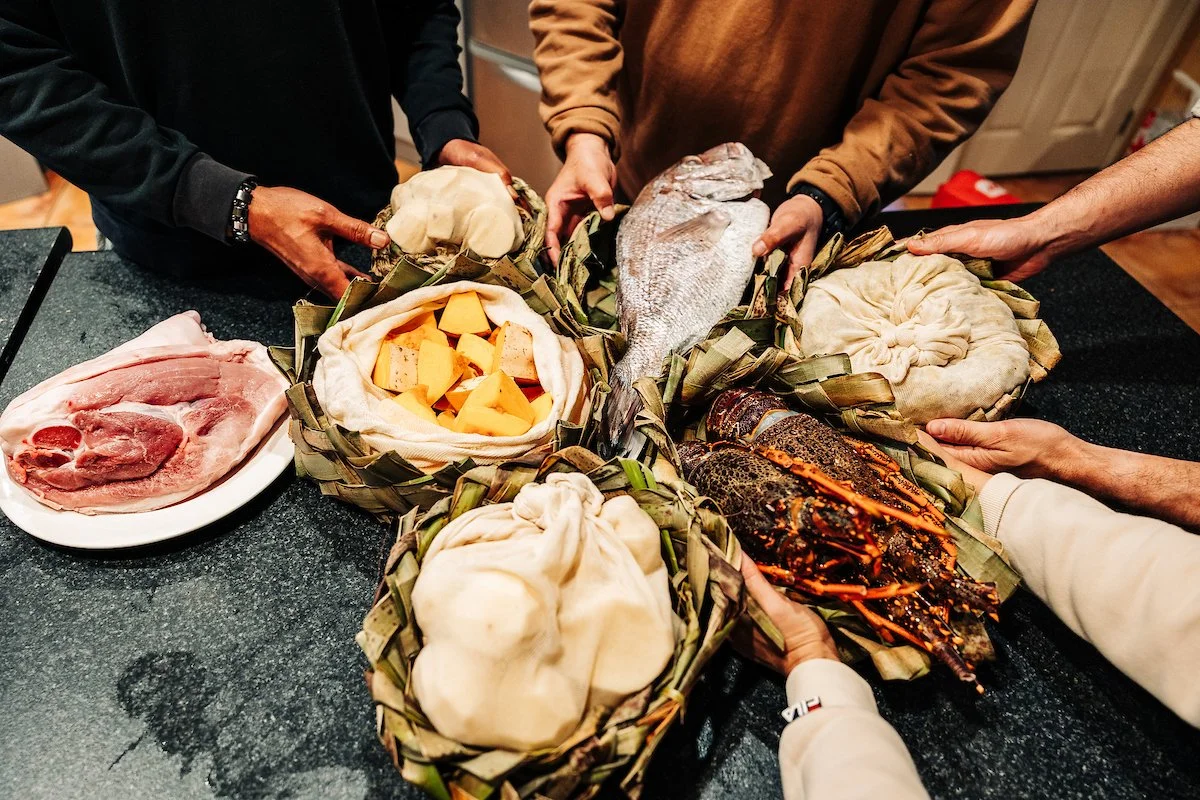
Whether on the paepae, in the kitchen, preparing hāngī, or supporting behind the scenes, each person carries unique memories and perspectives. Capturing these stories ensures they remain taonga for future generations.
Looking ahead, Nikki hopes Te Kauae Marae remains a place that is welcoming, connected, and vibrant, while continuing to evolve alongside younger generations.
Kino kē koe Nikki!
Dr Kiri Edge: The Long Way Home
For Dr Kiri Edge, the journey to becoming a researcher has been shaped by disconnection, resilience, and an ongoing search for belonging. Raised in Kirikiriroa within a low socioeconomic community and educated at decile one kura, Kiri faced significant challenges throughout her schooling. Despite excelling in reading, creative writing, and social studies, she lived with undiagnosed neurodiversity and learning challenges that made navigating the education system difficult. Like many neurodiverse tauira, she was often told she had great potential but found it challenging to meet conventional expectations.
At the age of 16, Kiri became a ward of the state. During a time when many young people were beginning to plan their futures, she was instead navigating trauma, uncertainty, and disconnection. Despite these challenges, the support of close friends and whānau helped her persevere. A pivotal moment came when she was 18 and reconnected with her birth father and paternal whānau. Having grown up largely disconnected from that side of her whakapapa, the experience marked the beginning of what she describes as “the long way home”, a lifelong journey of reconnecting with her whakapapa, whānau, hapū, and iwi.
Kiri later moved to Kaitāia, where she spent much of the following decade immersed in Te Tai Tokerau communities. There, she witnessed both deep hardship and remarkable resilience. She saw firsthand how whānau supported one another through times of crisis, offering care and strength without hesitation. These experiences would profoundly influence her future approach to research.
“I’m a vehicle, I’m a waka,” she reflects. “The expertise and the knowledge sit within our communities.”
Inspired by the strength she saw around her, Kiri returned to university as an adult learner. For her, research was never about becoming an expert. Instead, it was about creating space for community knowledge to be recognised, valued, and shared. This philosophy guided her academic journey, eventually leading her to the Tangi Research Programme, which explores death, dying, and grief through Māori perspectives.
Her doctoral research, Different Coloured Tears: Bicultural Bereavement Perspectives, examined the grieving experiences of bicultural whānau. Supported by mentors and the Māori and Psychology Research Unit at the University of Waikato, she developed a research approach firmly grounded in kaupapa Māori values and meaningful community engagement.
In recent years, this kaupapa has become deeply personal. Following several bereavements within her own whānau, Kiri found herself drawing directly on the knowledge gained through her PhD research. These experiences reinforced her belief in the importance of tangihanga as a powerful process of healing, connection, and collective support.
“Our ways work,” she says simply.
Today, Dr Edge brings that same philosophy to her role at Te Manawahoukura, where she values the opportunity to work alongside communities and contribute to research that makes a meaningful difference. Her life experiences continue to draw her toward sensitive and complex kaupapa, and more recent rangahau has focused on whānau violence, mahi tūkino, and relational and sexual ethics in adult relationships.
For aspiring kairangahau, her message is clear: trust your experiences, stay curious, and know that your perspective matters. After all, the journey into research is often much like the journey home itself, long, uncertain, and at times challenging, but rich with discovery, connection, and purpose along the way.
Māori poetics in Pōneke
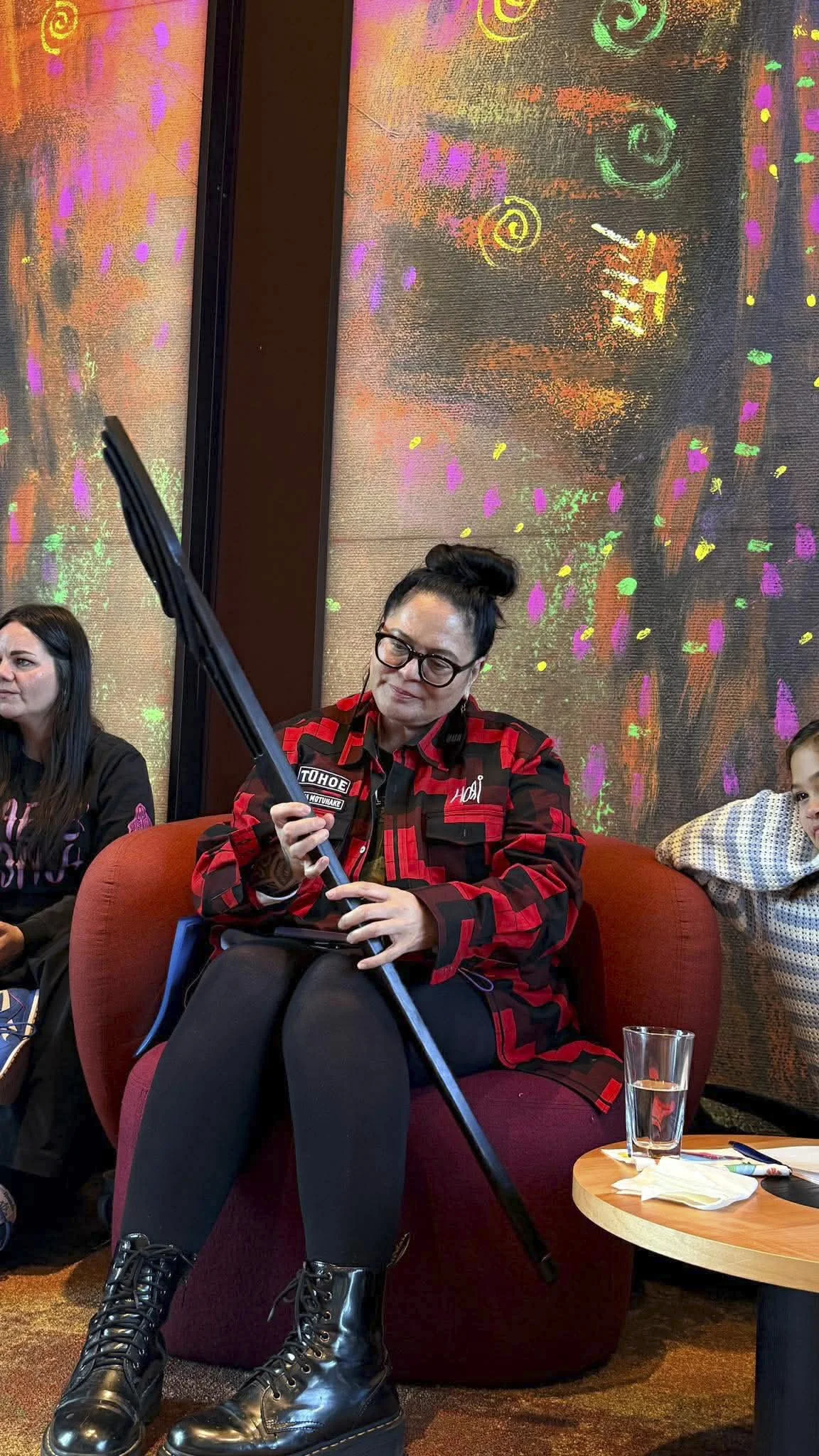
On Friday the 31st of July, Te Manawahoukura Researcher Dr Marama Salsano spent a reenergising day with other Māori literary scholars and word-lovers at Te Matapihi ki te Ao Nui Central Library in Pōneke. The day was packed with whakawhanaungatanga, planning future collaborations, delicious kai (for body and mind!), discussions about completed mahi and mahi-in-progress, and a public lunchtime event focused on the importance of Indigenous literature.
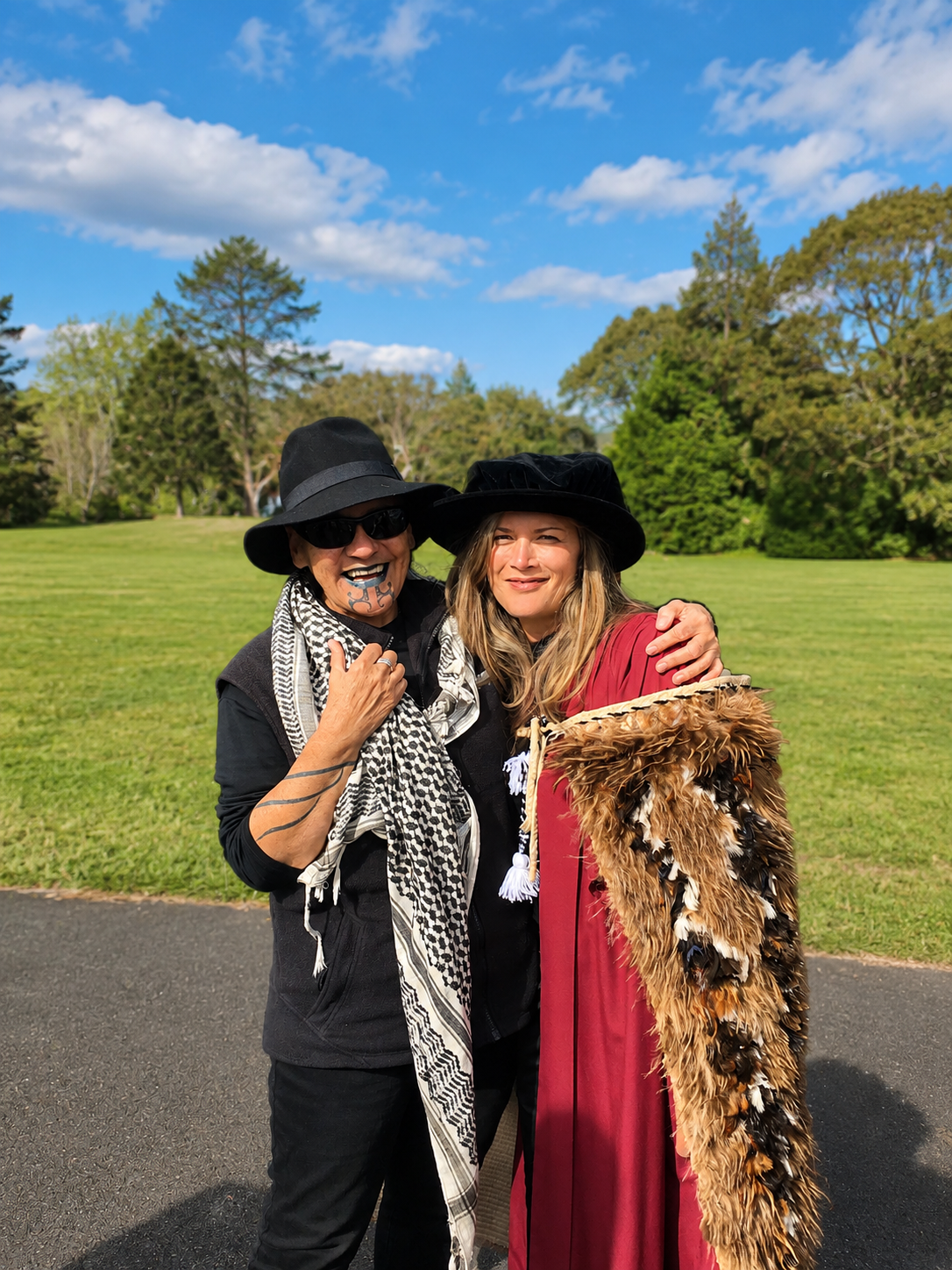
A highlight was hearing from the current Aotearoa New Zealand poet laureate, Robert Sullivan, and being able to hold his poet laureate tokotoko - made of black maire and carved by Haumoana ringatoi, Jacob Scott. Other highlights include spending time with Prof. Alice Te Punga Somerville (always a treat!), and hearing from Dr Kirsty Dunn - whose courses in Māori Writing in English, Māori Storytelling, and Indigenous Literature in Aotearoa and Beyond at the University of Canterbury fill a much-needed gap in English language literary studies here in Aotearoa.
That evening, poets Hinemoana Baker, Alice Te Punga Somerville, Marama Salsano, and Tusiata Avia read together at Meow to raise money for Mana Tipua – an Ōtautahi Christchurch based group for Māori LGBTQIA+ young people. As wāhine connected to literary studies in educational institutions - as a PhD candidate (Hinemoana), head of English at the University of British Columbia (Alice), literary kairangahau at Te Wānanga o Aotearoa (Marama), and the 2026 Victoria University / International Institute of Modern Letters Writer in Residence (Tusiata), the original stimulus for the evening was very loosely based on ideas of Mateship, Menopause, and Moan(a)ing in academia.
Ngā mihi to Prof. Alice Te Punga Somerville for bringing everyone together on your whenua, which made this time extra special, and to your whānau for their manaakitanga. Ngā mihi also to Hinemoana Baker for graciously taking on various public hosting duties on the day, and of course, ngā mihi to all the literary nerds who came together for the day. It is heartening to celebrate the Indigenous literature lovers who contribute to the breadth and depth of literary studies in Aotearoa.
Sharing Te Ao Māori on the Global Stage: Kathryn’s Singapore Conference Journey
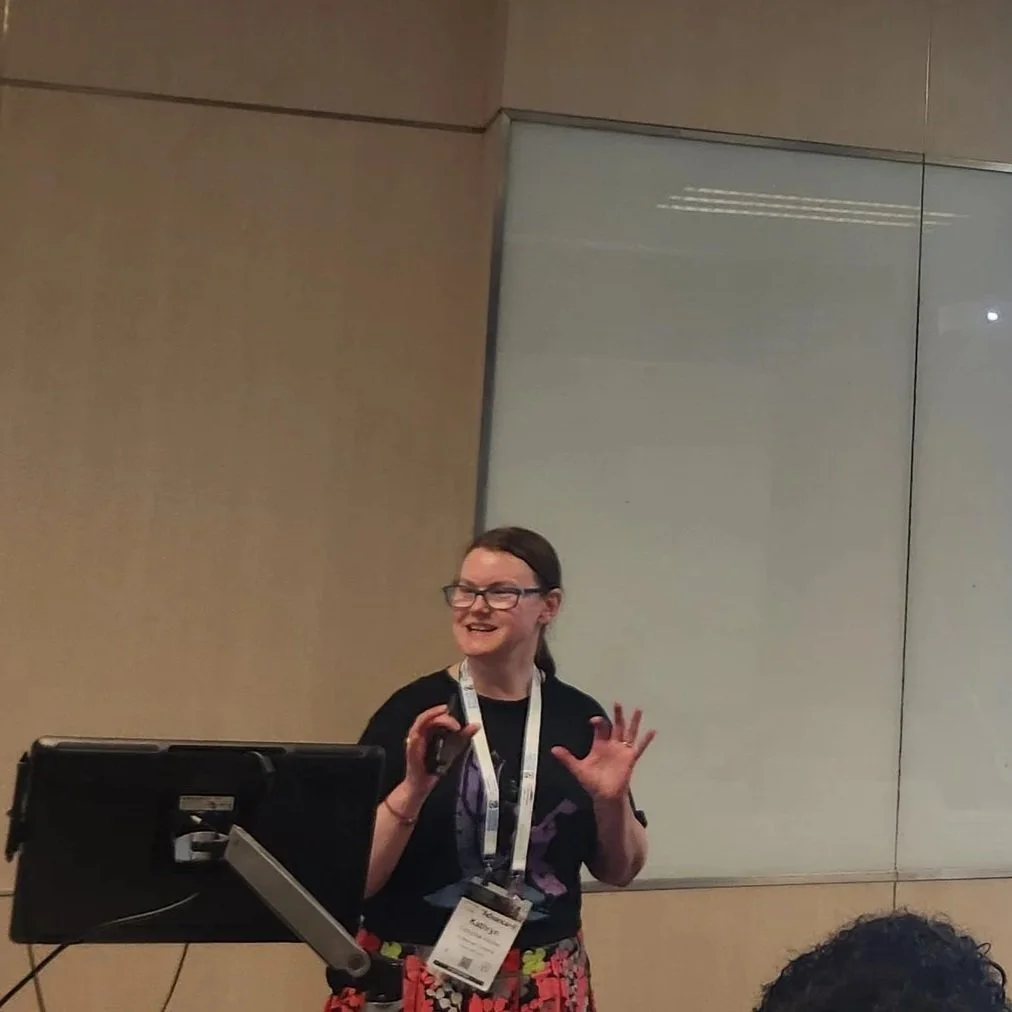
Presenting research on an international stage is both an opportunity and a challenge. For Kathryn Oxborrow Vambe, a recent trip to Singapore provided the chance to share research developed through her residency work while representing Te Wānanga o Aotearoa at the 2026 Higher Education Research and Development Society of Australasia (HERDSA) Conference.
Hosted by the National University of Singapore, the conference brought together more than 800 delegates from across the tertiary education sector to explore innovative approaches to teaching, learning, and research. Kathryn’s presentation focused on how autoethnography, a method of critically reflecting on one’s own identity and experiences, is being used by non-Māori postgraduate researchers in New Zealand universities to explore their positionality in relation to Te Ao Māori.
The research grew from observations Kathryn made during her Te Manawahoukura residency work, where she noticed common patterns among non-Māori researchers engaging with Māori knowledge systems. This sparked a deeper investigation into how researchers were reflecting on their journeys and the themes emerging from those experiences.
Supported through contestable conference funding, Kathryn successfully secured a place on the conference programme, allowing her to share research grounded in Aotearoa with an international audience. While preparing for the presentation, she engaged in valuable conversations with delegates from around the world, including keynote speaker Associate Professor Huang Hoon Chng of the National University of Singapore. These discussions helped shape aspects of her presentation for a global audience.
Although scheduled during the final afternoon of the conference, Kathryn’s session generated meaningful engagement. One particularly memorable moment came when Huang Hoon Chng referenced Kathryn by name during a keynote address, highlighting the impact that genuine professional connections can have.
Reflecting on the experience, Kathryn noted that even experienced presenters can feel nervous attending international conferences. One of her strongest takeaways was that “change is constant,” a theme reflected in many conference discussions around artificial intelligence, the future of higher education, and the growing recognition of Indigenous knowledge systems.
Beyond the conference, Kathryn explored Singapore’s vibrant culture, from Marina Bay Sands to local hawker centres, where she found some of her most memorable experiences.
For kaimahi considering presenting their work, Kathryn’s advice is simple: back yourself, seek support, and take the opportunity. “Don’t be put off because you think it’s too big or you’re not good enough. If you’re doing the mahi, you are good enough.” Her journey demonstrates how sharing research internationally can strengthen practice while showcasing the unique perspectives of Aotearoa and Te Ao Māori on the world stage.